
Process analysis
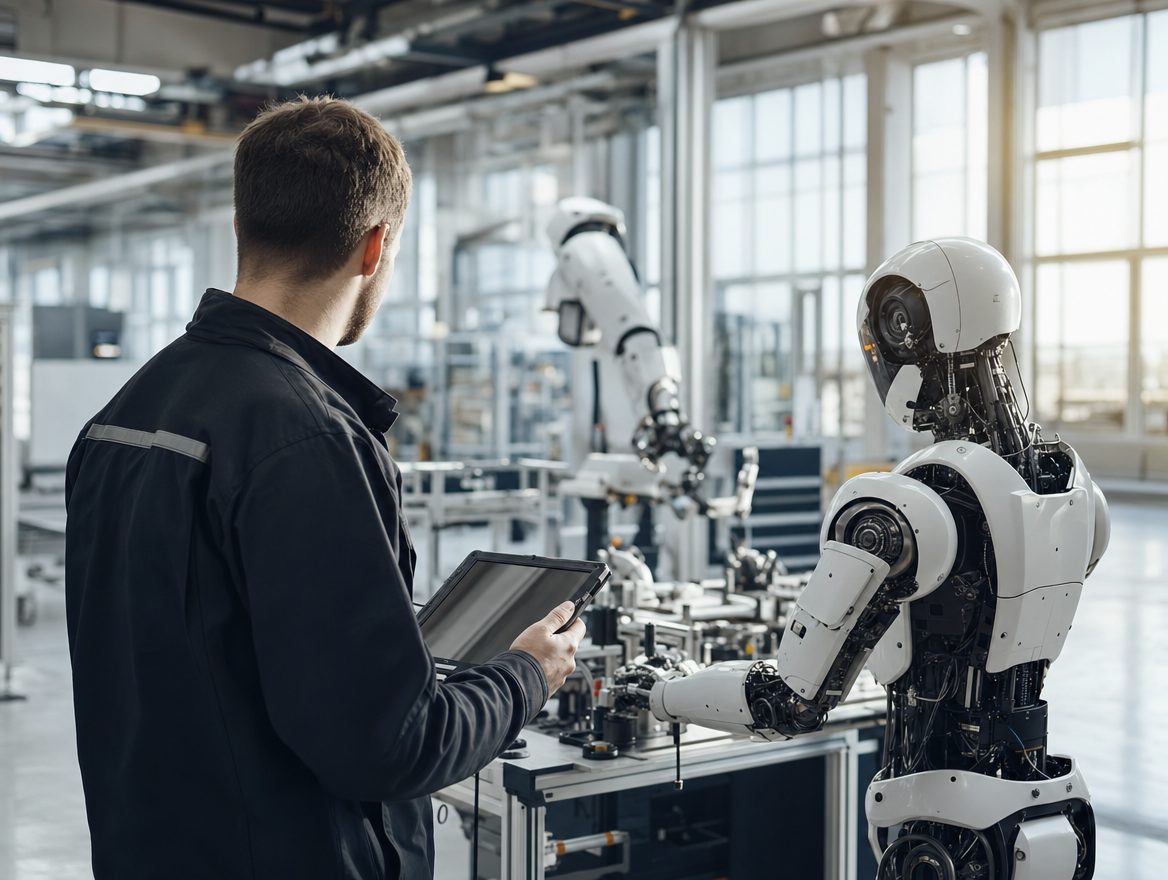
We come to your site, measure cycle times, map the material flow and find where a machine actually saves time.
We do not just sell robots. We analyse your line, choose the right model, install it, train your team and keep it running.
A robotics integrator is the company that turns a robot into a productive workstation. The manufacturer builds the machine. The integrator measures the line, selects the model that fits the task, designs the work cell with its safety zones, connects it to ERP or WMS, trains the operators, writes the risk assessment required by Machinery Regulation (EU) 2023/1230 and takes on maintenance with an agreed response time. Without that role a humanoid stays a demonstration. Humanoid Robotics Greece does exactly this across the European Union, based in Thessaloniki, for nine platforms from six manufacturers: Unitree, UBTech, AgiBot, Booster Robotics, DEEP Robotics and Fourier. The first site visit and the initial assessment are free of charge.
| 267 | robots per 10,000 employees in Western Europe (IFR, 2024) |
|---|---|
| 20 Jan 2027 | Machinery Regulation (EU) 2023/1230 becomes applicable |
| from $4,999 | entry price of a humanoid in our catalogue |
| €899/day | rental price of a humanoid (RaaS) in Europe |
| 27 | EU countries we take on projects in |
| 4 | languages for documentation and training |
That is the job we do.
 01
01
Process analysis, model selection, work cell design and integration into your line.
02Delivery, assembly, setup, risk assessment and handover into production.
03Operators, maintenance staff and safety officers learn to work with the system.
04SLA contracts, remote diagnostics, spare part stock and on-site service.
05Connecting the robot to ERP, WMS and MES so it works with your data.
We choose together based on the task, not on the brochure. Every model comes with a feasibility study before the order.
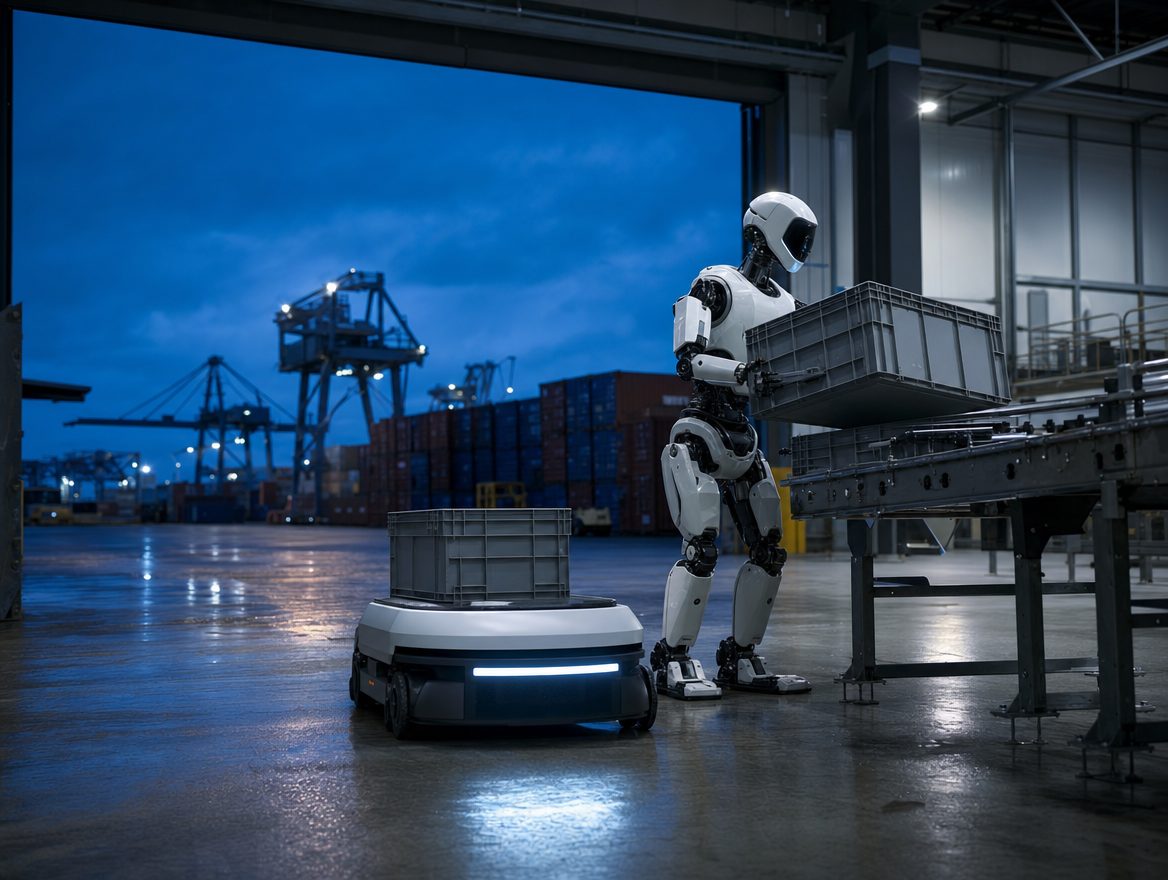
Palletising, moving crates, feeding lines and night shifts that cannot be staffed.
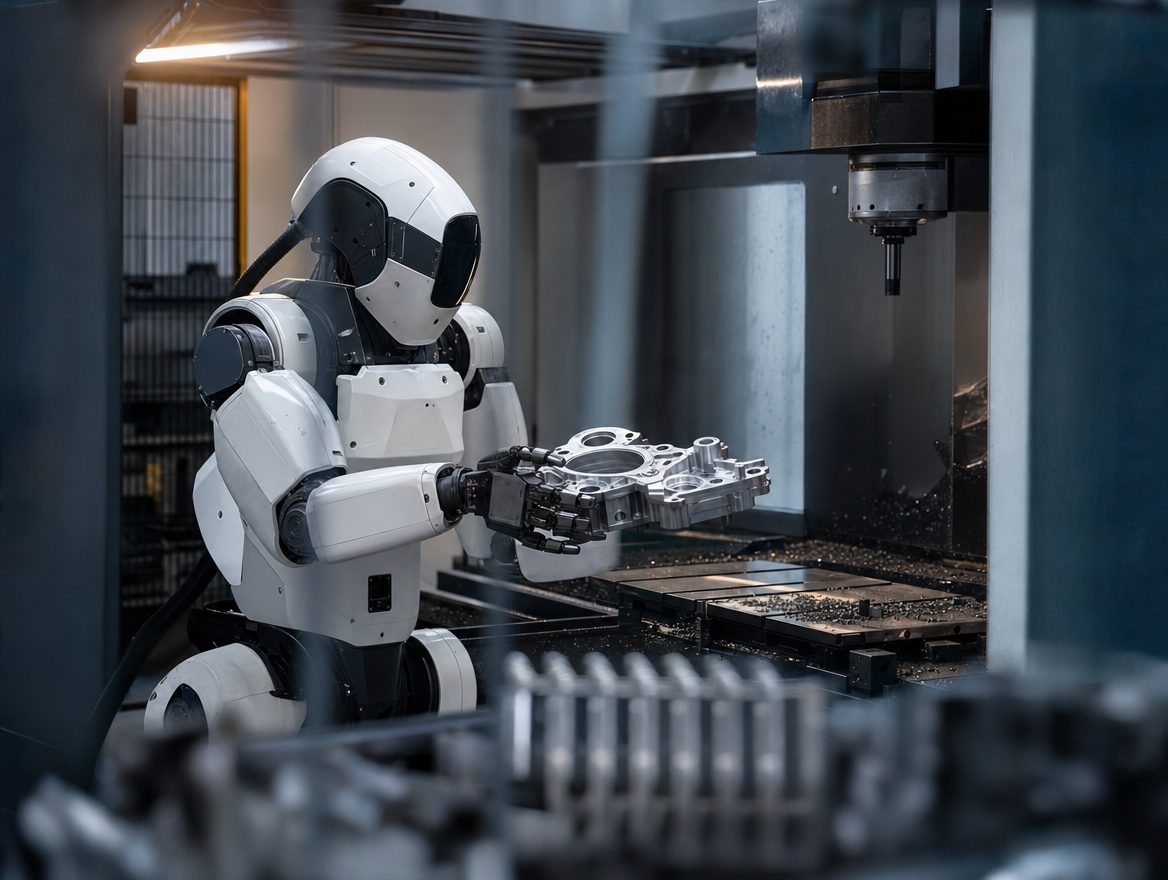
Machine tending, moving parts, visual inspection and assembly.
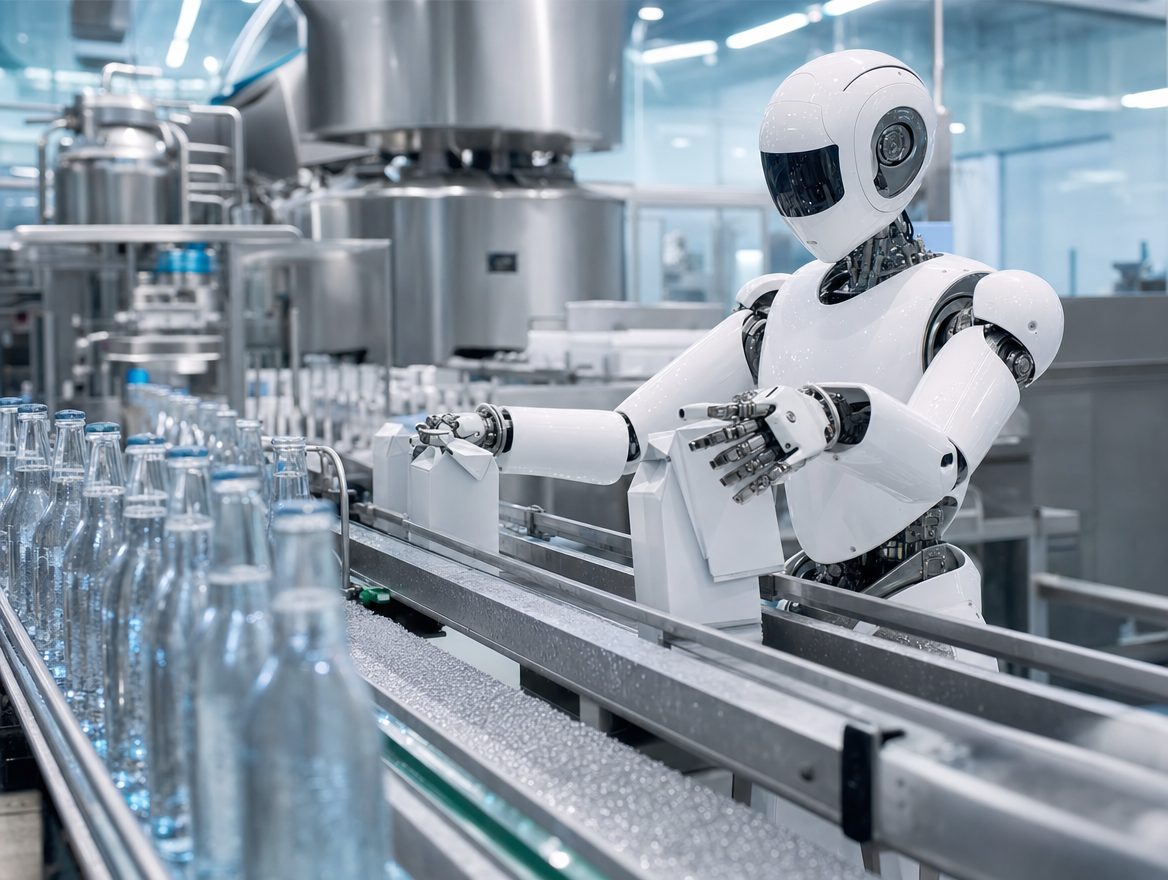
Packing, palletising and work in hygienic environments with cold and humidity.
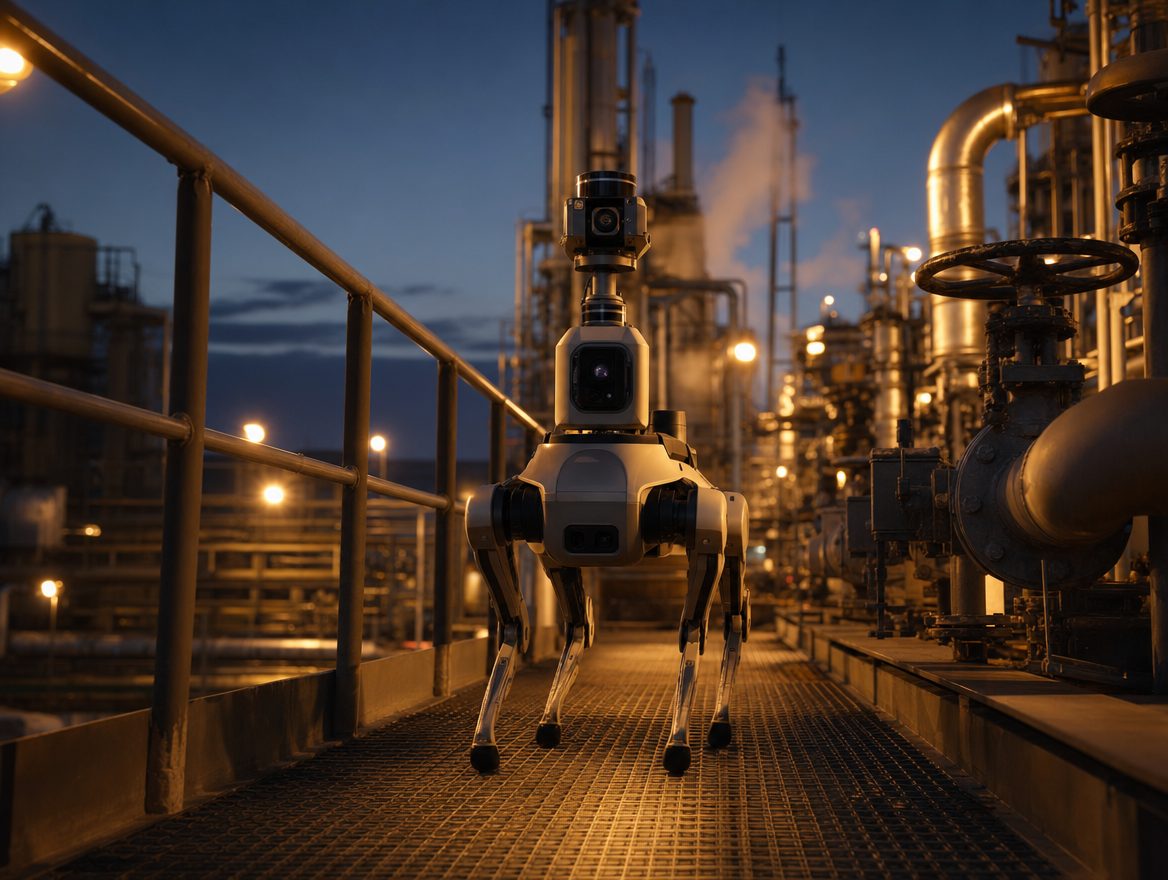
Autonomous inspection, thermography, leak detection and patrol in hazardous areas.
We come to your site, measure cycle times, map the material flow and find where a machine actually saves time.
You get a document with scenario, model, cost, payback and risks. If the numbers do not work, we say so before you buy.
We compare at least three platforms for the specific task and hand over a binding quotation with a schedule and acceptance criteria.
Installation, integration with ERP/WMS, risk assessment, CE marking for the configuration, operator training.
SLA, spare parts, remote diagnostics, software updates and a quarterly performance review.
From 20 January 2027 the new Machinery Regulation (EU) 2023/1230 applies. Whoever puts a robot into service takes on obligations: risk assessment, documentation, training, data security. We hand over that file together with the robot.
Risk assessment and technical file for your specific configuration.
System classification, documentation, human oversight.
Collaborative operation design and safety zones.
Camera data, logs, network access.
Our calculator runs on your data: shifts, labour cost, cycle time. It returns an estimated payback in months and the annual cost difference.
Across the EU, equipment, automation and digital transformation are eligible costs: structural funds, national industry programmes and the STEP actions for strategic technologies. In Greece that is currently the “Made in Greece” action and the Development Law. We prepare the technical annexes the application requires.
Half an hour on the phone with an engineer. No sales deck.
Tell us what you want to automate. An engineer answers within one working day.